About
SURIN
Konpa × Island Vibes
Surin's story doesn't begin in a studio — it begins in spirit, migration, memory, and legacy.
Born on an early Sunday morning, October 4, 1981, in Port-au-Prince, Haiti, Surin entered the world surrounded by uncertainty, faith, and family. Though time has softened his direct memories of those early days, fragments remain — fleeting yet powerful. The scent of flowers. The distant crow of a rooster at sunrise. The warmth of his grandmother's presence — gentle, loving, and grounding. Raised alongside his two older sisters in his grandmother's home, Surin's foundation was built on care, culture, and quiet resilience.
While he was still a toddler, his parents made life-altering decisions that would shape the family's future. His mother ventured to Canada, while his father pursued missionary studies at the University of Texas. Through distance and determination, they searched for the best place to raise their young family. By November 1983, that decision was made: America. South Florida — specifically the Fort Lauderdale area — would become home. Surin was just two years old.
But Haiti never left him.

To Surin, Haiti is more than a birthplace — it is a badge of honor. A symbol forged in grit, passion, and resilience. It may appear worn, even broken to outsiders, but it is unbreakable at its core. That duality — strength through struggle — would later become a defining thread in his music, message, and identity.
Growing up in a Haitian household in the 1980s came with structure and discipline. There was a saying every Haitian child knew: "Lekòl, legliz, lakay" — School, Church, Home. There were no distractions, no wandering, no excess. It was a life rooted in purpose, protection, and preparation. And within that environment, Surin developed quickly. By kindergarten and first grade at Lauderdale Manors Elementary, he was already reading fluently — something that even caught his teachers off guard. At the time, he didn't understand its significance. But looking back, it was a glimpse into a mind that was already ahead of its time.
Much of that influence came from his father — a constant presence in his early years. Before school began, Surin spent nearly every day by his side, observing how people gravitated toward him, how he carried himself with quiet confidence and strength. Those moments weren't just bonding — they were blueprint. They shaped Surin's presence, his awareness, and eventually, his artistry.
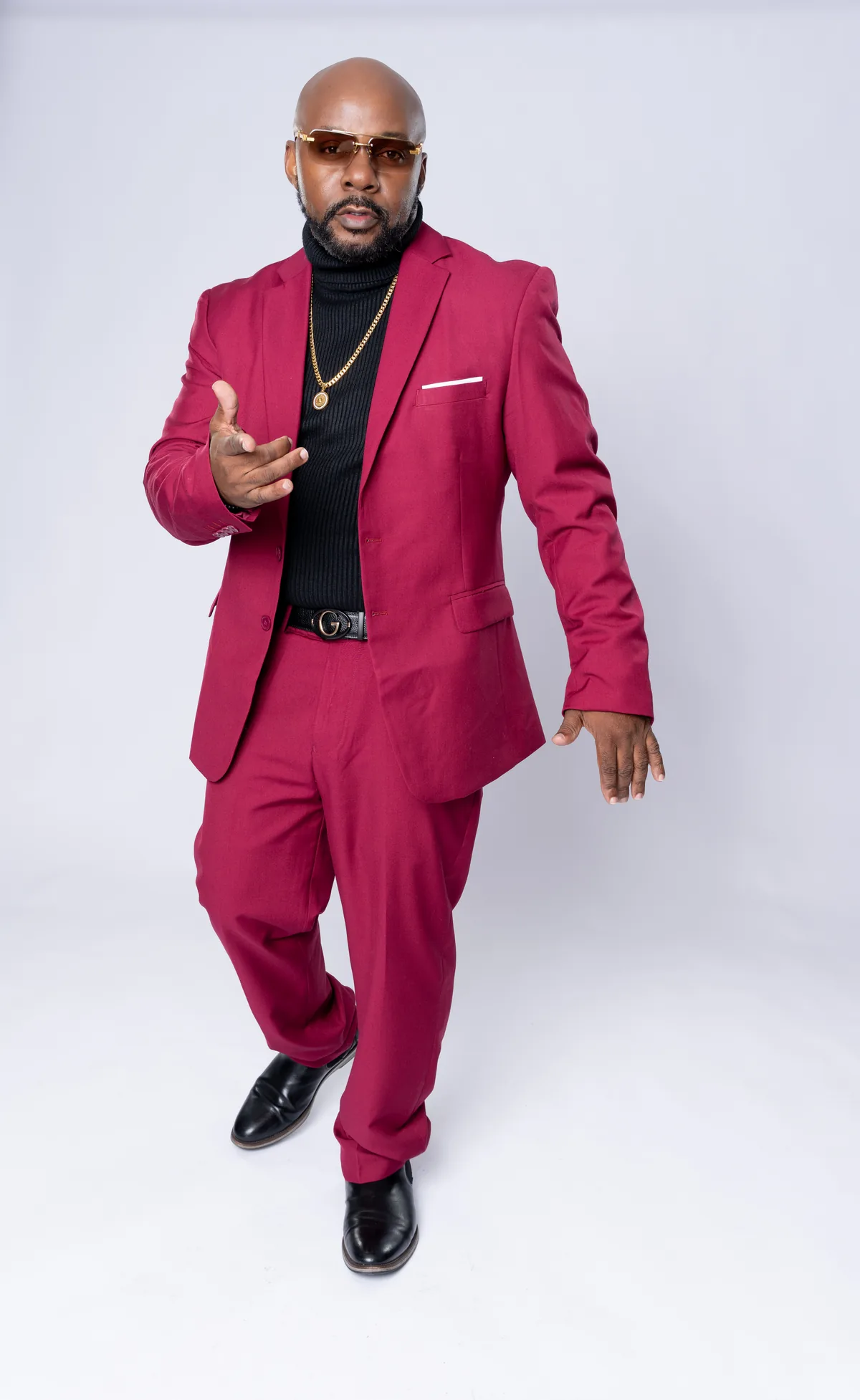
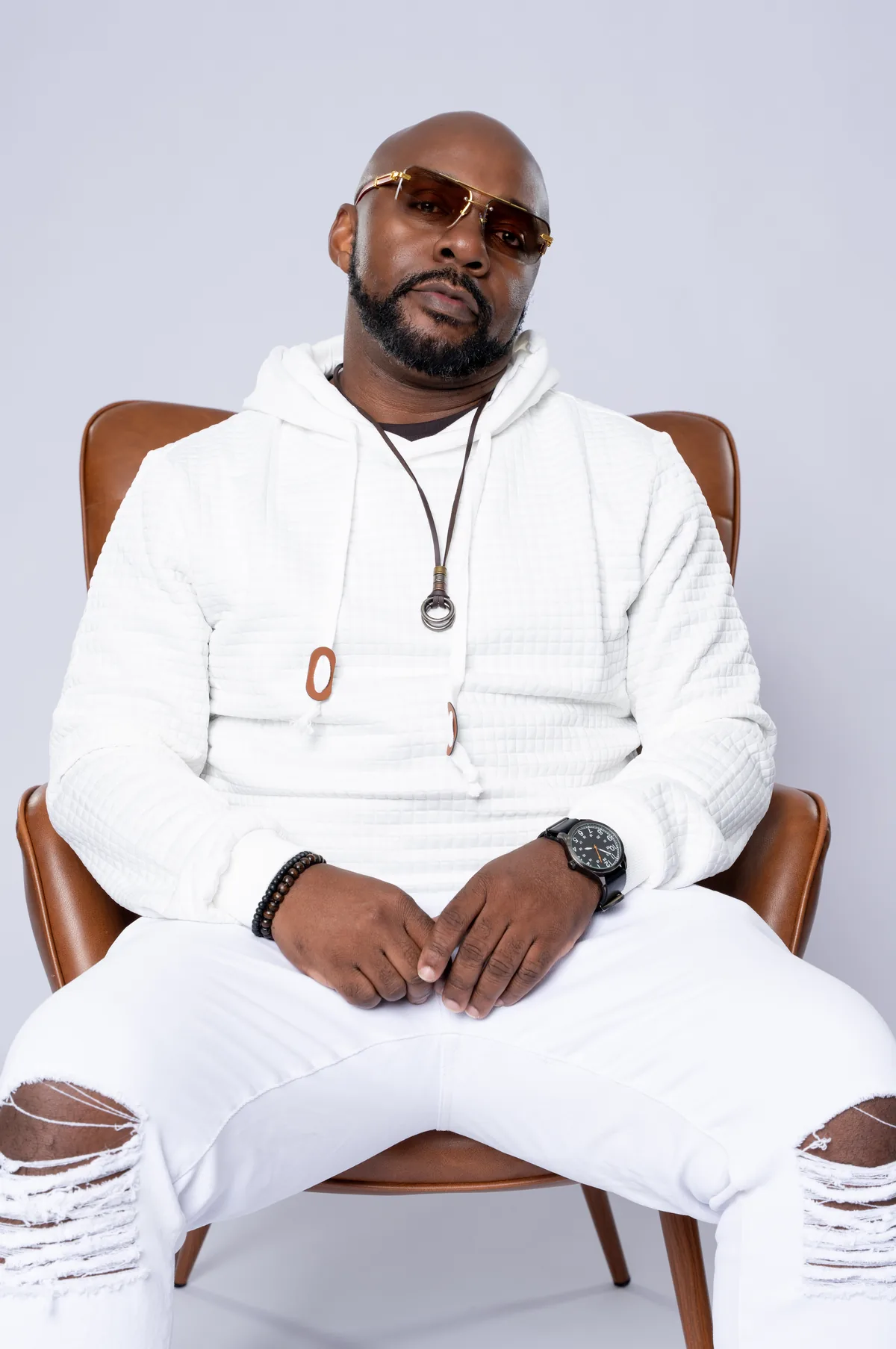
Music entered his life not through one moment, but through layers. His home echoed with the sounds of soft rock legends like Paul Simon and Simon & Garfunkel, blended with country voices like Reba McEntire and Randy Travis, and anchored by church hymns. But outside, through the radio, a different world opened — soul music. Songs like "Rock Steady" by The Whispers weren't just heard — they were felt. They became memories, tied to moments like dancing with his grandmother during her visits to the States.
His influences expanded — Whitney Houston, Luther Vandross, Sade — but one figure stood above the rest: Michael Jackson. Watching him perform wasn't just entertainment — it was transformation. It was the first time Surin saw what it meant to become the music.
At just 11 years old, Surin unknowingly took his first step into artistry. After accidentally turning in a poem with his schoolwork, a substitute teacher returned it with a simple but life-changing message: "You should really focus on writing — this was very good." That moment planted a seed. But it wasn't until later — after writing and recording a song in Creole that resonated deeply with his peers — that he truly felt it: this is something special.
By 17, he was fully immersed in creation, recording music consistently alongside his cousin — who would not only become a collaborator but remain his engineer to this day. What they didn't realize at the time was that they were building more than songs — they were building skill, chemistry, and a foundation.
Then came a defining shift.
In the early 90s, through a series of seemingly small moments — recording his father's late-night radio sermons for $5 a week, buying hip-hop cassette singles from a local shop, and eventually discovering BET — Surin was introduced to hip-hop culture. The turning point? Watching Tupac's "Brenda's Got A Baby." It wasn't just a music video — it was storytelling, emotion, reality. It changed everything. From that moment on, artists like Dr. Dre, Snoop Dogg, Public Enemy, and Eric B. & Rakim became part of his sonic DNA.
Surin's sound today is a seamless fusion of his worlds — a global blend of hip-hop, R&B, Afro-influences, and Caribbean soul.
It's melodic yet grounded, smooth yet intentional. His music doesn't just entertain — it connects. It speaks to love, vulnerability, confidence, and the shared human experience. It reminds listeners that they are not alone in what they feel.
Beyond the music, Surin represents something deeper: energy, authenticity, and emotional truth. He creates to make people feel good — but also to make them feel seen. His mission is clear — to shift the narrative of Haiti, showing the world its love, beauty, and hope beyond the headlines.
Through sacrifice, self-investment, and relentless belief — even working multiple jobs to fund his vision — Surin has evolved beyond an artist into a builder of culture, brand, and movement. With the rise of the internet removing traditional gatekeepers, he stands at the forefront of a new era: independent, intentional, and impactful.
And his legacy?
To prove that pain does not define you. That where you come from is power — not limitation. And that through music, truth, and resilience — you can transform not only your story, but the stories of others around the world.
Surin is not just an artist.
He's a feeling.